Source Magnetic Rectangle Glasses Case for Optical, Sunglasses, and Storage
Find 30 Magnetic Rectangle Glasses Case options from suppliers in China and Cambodia. Compare PU, leather, and microfiber materials with customizable sizes and logos for optical, sunglasses, and general storage needs.
Key considerations
Products List


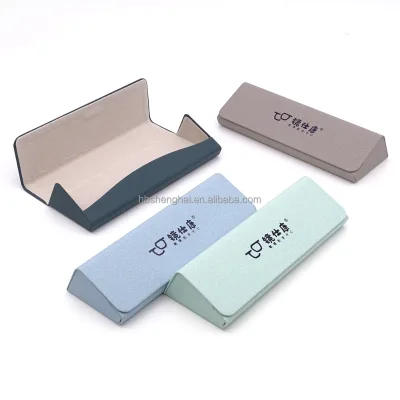

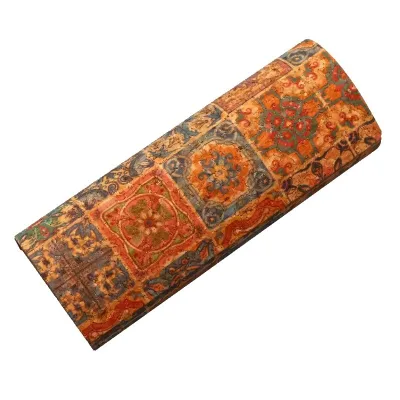
Stereoscopic Checkered Red Pure Color Magnetic Type Reading Sunglasses Case
$1.20 - $3.00
MOQ: 1200 Pieces

Light Weight Plastic Magnetic Portable Red Pure Color Reading Glasses Case
$0.70 - $1.00
MOQ: 1200 Pieces

Cylinder Portable Black Simple Magnet Light Weight Reading Glasses Case
$0.70 - $1.50
MOQ: 1200 Pieces


Magnetic Type portable Thin Reading Glasses Case Little Light Weight Box
$0.70 - $1.50
MOQ: 1200 Pieces





Comprehensive Sourcing Guide
Magnetic Rectangle Glasses Case Sourcing Guide
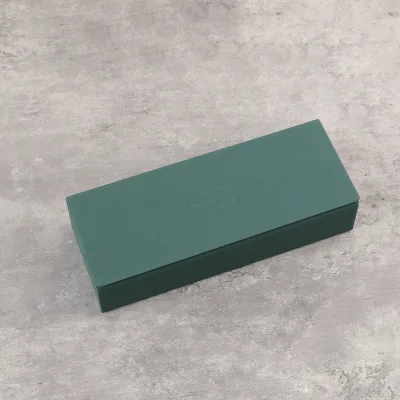
Sourcing magnetic rectangle glasses cases requires a careful balance between aesthetic simplicity and functional durability. These cases are designed to protect optical and sunglasses from scratches, impacts, and environmental damage while offering a sleek, modern profile. The rectangular shape provides efficient internal storage, maximizing space for standard lens dimensions, while the magnetic closure ensures quick access without the bulk of zippers or buttons. Buyers must distinguish between soft, semi-hard, and hard-shell variants, as the item hardness directly influences the level of protection provided and the overall weight of the product.
The market offers a wide variety of materials, ranging from polyurethane (PU) leather to microfiber, cotton, and linen blends. Each material presents different trade-offs in terms of cost, texture, and longevity. PU leather is often preferred for its durability and ease of cleaning, while natural fabrics like cotton and linen offer a more premium, tactile experience. Understanding these material distinctions is crucial for aligning the product with the target market’s expectations, whether the end-user prioritizes rugged protection or minimalist elegance.
Product Scope and Observed Listing Signals
The current market landscape for magnetic rectangle glasses cases is diverse, with suppliers offering both standardized and highly customizable options. Observed listings indicate a price range of $0.39 to $3.95 USD, reflecting significant variation in material quality, branding capabilities, and order volumes. Minimum order quantities (MOQs) vary widely, starting from as low as one unit for sample or small-batch testing up to 3,000 units for large-scale commercial production. This flexibility allows buyers of all sizes to find suitable suppliers, from independent designers to large retail chains.
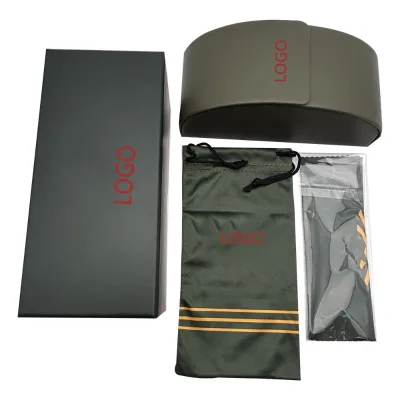
Product attributes observed in the market include both patterned and solid designs, with customization available for colors, logos, and packaging. Some suppliers offer handmade options, which may command a higher price point due to labor intensity, while others focus on mass-produced, simple styles for commercial use. The cases are typically sold as single items, with packaging ranging from simple polyethylene bags to custom boxes or cardboard cartons. Buyers should verify whether the listed price includes custom branding, as this can significantly impact the final cost per unit.
Technical Specifications to Verify
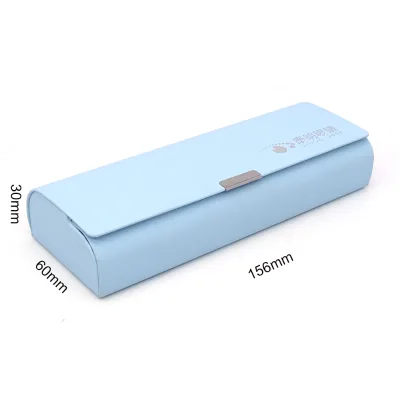
Dimensional accuracy is critical for ensuring the case fits the intended eyewear. Standard sizes observed include 16.3 x 5.4 x 3.3 cm, 16 x 5 x 4 cm, and 155 x 65 x 25 mm, with some suppliers offering fully customized dimensions. Buyers must confirm that the internal cavity is slightly larger than the glasses to allow for easy insertion and removal without excessive friction. The magnetic closure mechanism should be tested for strength; it must be secure enough to prevent accidental opening during transport but easy enough for the user to open with one hand.
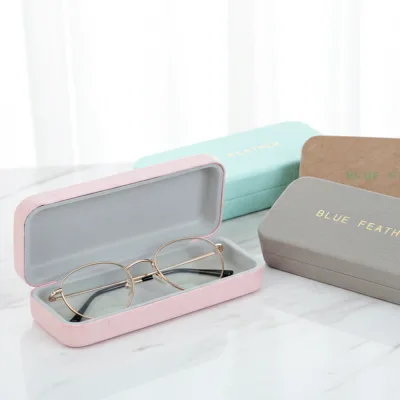
Material composition and construction quality are key technical factors. The outside material may be PU leather, microfiber, cotton, or linen, while the inside is often lined with flocking cloth to prevent scratches. Some cases are semi-hard, providing structural integrity, while others are soft, offering flexibility and compactness. Weight is another important specification, with observed weights ranging from 90 grams to 0.5 kilograms depending on the materials and thickness. Buyers should request physical samples to assess the tactile quality of the materials and the precision of the stitching and magnetic alignment.
Compliance and Safety Documentation
For buyers targeting international markets, compliance with safety and environmental standards is essential. Some suppliers provide certifications such as SGS, REACH, BV, and BSCI, which indicate adherence to specific quality, chemical safety, and social responsibility benchmarks. REACH compliance is particularly important for products sold in the European Union, ensuring that harmful substances are restricted in the materials used. Buyers should request valid certification documents and verify their authenticity with the issuing bodies to mitigate regulatory risks.
Social compliance is another critical aspect, especially for large retailers and brands with strict supplier codes of conduct. BSCI certification demonstrates that the supplier adheres to ethical labor practices, including fair wages, safe working conditions, and no child labor. Buyers should assess the supplier’s commitment to these standards through audits or third-party verification reports. Additionally, packaging materials should comply with local recycling and waste management regulations, which may require the use of recyclable or biodegradable materials.
Cost Drivers and Commercial Terms
The final cost of magnetic rectangle glasses cases is influenced by several factors, including material selection, customization level, and order volume. PU leather and microfiber materials are generally more cost-effective than natural fabrics like cotton or linen. Customization, such as adding a logo or using a specific color, incurs additional setup and production costs. Buyers should negotiate tiered pricing structures that reflect the economies of scale associated with larger orders, ensuring that the unit price decreases as the quantity increases.
Packaging and logistics also play a significant role in the total cost. Simple polyethylene bag packaging is the most economical, while custom boxes or branded cartons add to the expense. Buyers should consider the impact of packaging on shipping volume and weight, as inefficient packaging can increase freight costs. Lead times vary based on the complexity of the order and the supplier’s production capacity, with customized orders typically requiring longer lead times. Clear communication regarding delivery schedules and payment terms is essential to avoid disruptions in the supply chain.
Supplier Qualification and Quality Control
Selecting a reliable supplier involves evaluating their production capabilities, quality control processes, and track record. Buyers should verify the supplier’s location, with many manufacturers based in Jiangsu, Hebei, or other industrial regions in China, as well as some in Cambodia. Proximity to raw material sources and logistics hubs can impact production efficiency and shipping costs. Requesting references or case studies from previous clients can provide insights into the supplier’s reliability and consistency.
Quality control measures should be clearly defined and agreed upon before production begins. This includes specifications for material quality, stitching precision, magnetic strength, and packaging integrity. Buyers may opt for pre-shipment inspections to ensure that the products meet the agreed-upon standards. Establishing a clear process for handling defects or non-conforming products is also crucial, including provisions for replacements or refunds. Regular communication and feedback loops with the supplier can help maintain high quality standards over time.
Long-Term Procurement Checks
Building a sustainable supply chain requires ongoing monitoring and relationship management. Buyers should conduct periodic reviews of supplier performance, assessing factors such as on-time delivery, product quality, and responsiveness to issues. Maintaining open lines of communication and providing constructive feedback can help strengthen the partnership and encourage continuous improvement. Regularly updating product specifications and market requirements ensures that the supplied goods remain relevant and competitive.
Risk management is an essential component of long-term procurement. Buyers should diversify their supplier base to mitigate the risk of disruptions due to geopolitical, economic, or operational issues. Developing contingency plans for supply chain interruptions, such as alternative sourcing options or safety stock, can help maintain business continuity. Staying informed about industry trends, regulatory changes, and technological advancements allows buyers to proactively adapt their sourcing strategies and maintain a competitive edge in the market.
FAQs
What materials are used for magnetic rectangle glasses cases?
These cases typically use PU leather, microfiber cloth, cotton, or linen for the outside, with flocking cloth inside. Some options feature semi-hard or soft hardness levels to protect optical glasses and sunglasses effectively.
Can I get a custom logo on these glasses cases?
Yes, custom logos are available for personalized leather cases and other models. Buyers can request specific branding to match their business needs while selecting from various colors including brown or customized options.
What certifications do these magnetic glasses cases hold?
Many products carry SGS, Reach, BV, and BSCI certifications to ensure quality and safety standards. These credentials verify that the manufacturing processes meet international requirements for materials and production ethics.
How are these glasses cases packaged for shipping?
Packaging options include cardboard boxes, PVC boxes, or custom packages depending on the specific model. Some items come in PE bags with inner boxes containing twelve pieces and cartons holding one hundred twenty pieces.
What are the standard dimensions for these cases?
Standard sizes vary but often include dimensions like 16.3 by 5.4 by 3.3 cm or 155 by 65 by 25 mm. Customized sizes are also available to fit specific eyewear requirements or design preferences.
Where are these glasses cases manufactured?
Products originate from locations such as Jiangsu, Hebei in China, or Cambodia. These regions provide established manufacturing capabilities for producing PU leather and handmade glasses cases with various customization options.
What is the minimum order quantity for these cases?
Minimum order quantities range from one piece up to three thousand pieces depending on the supplier and product type. Buyers can often find flexible options suitable for small trials or large bulk orders.